01
The Drawing
An arabesque is drawn by hand, then pricked and pounced onto the cloth in fine chalk — the same transfer method used in the ateliers of Isfahan.

Artist · Designer · Keeper of a Tradition
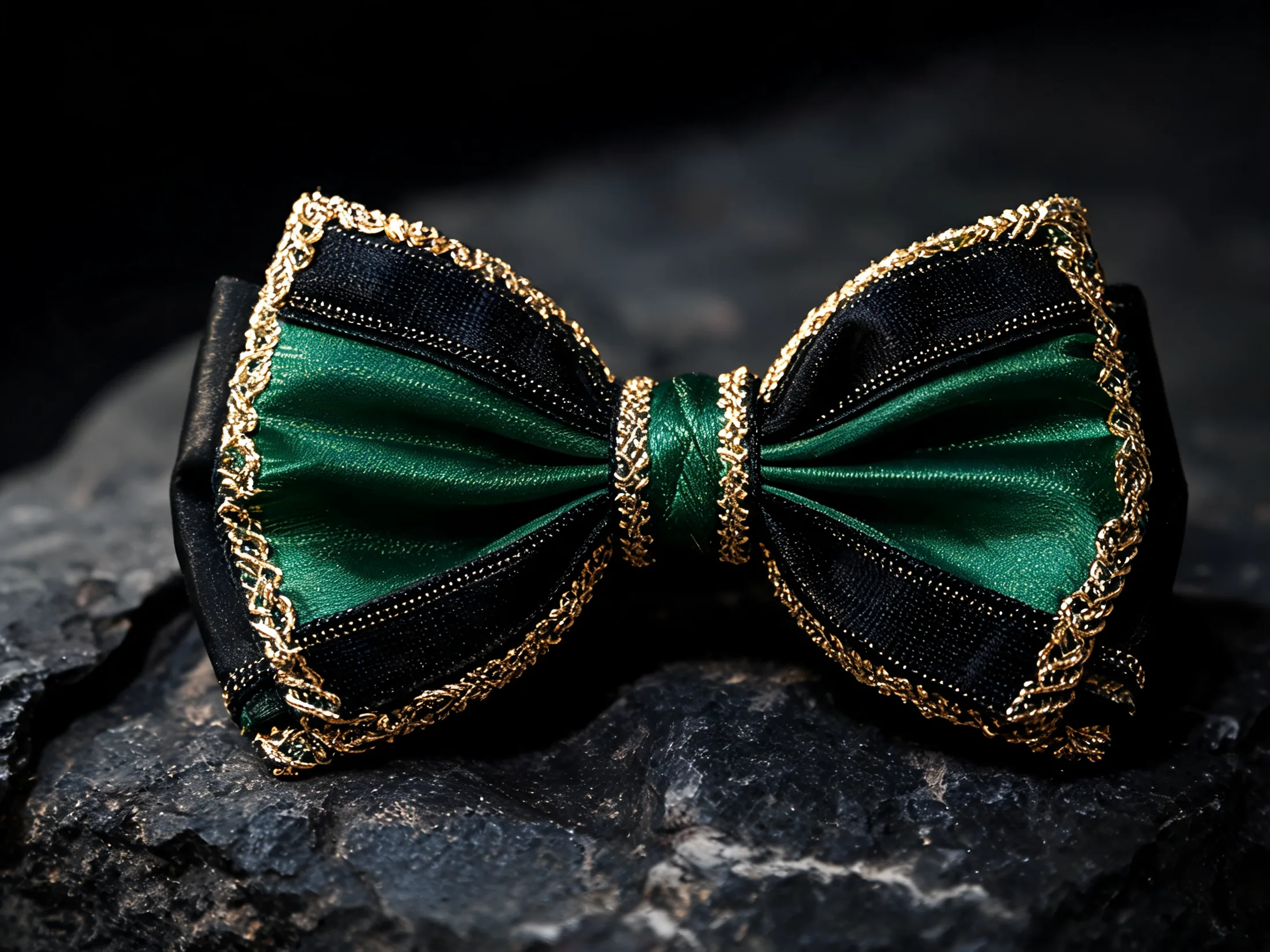
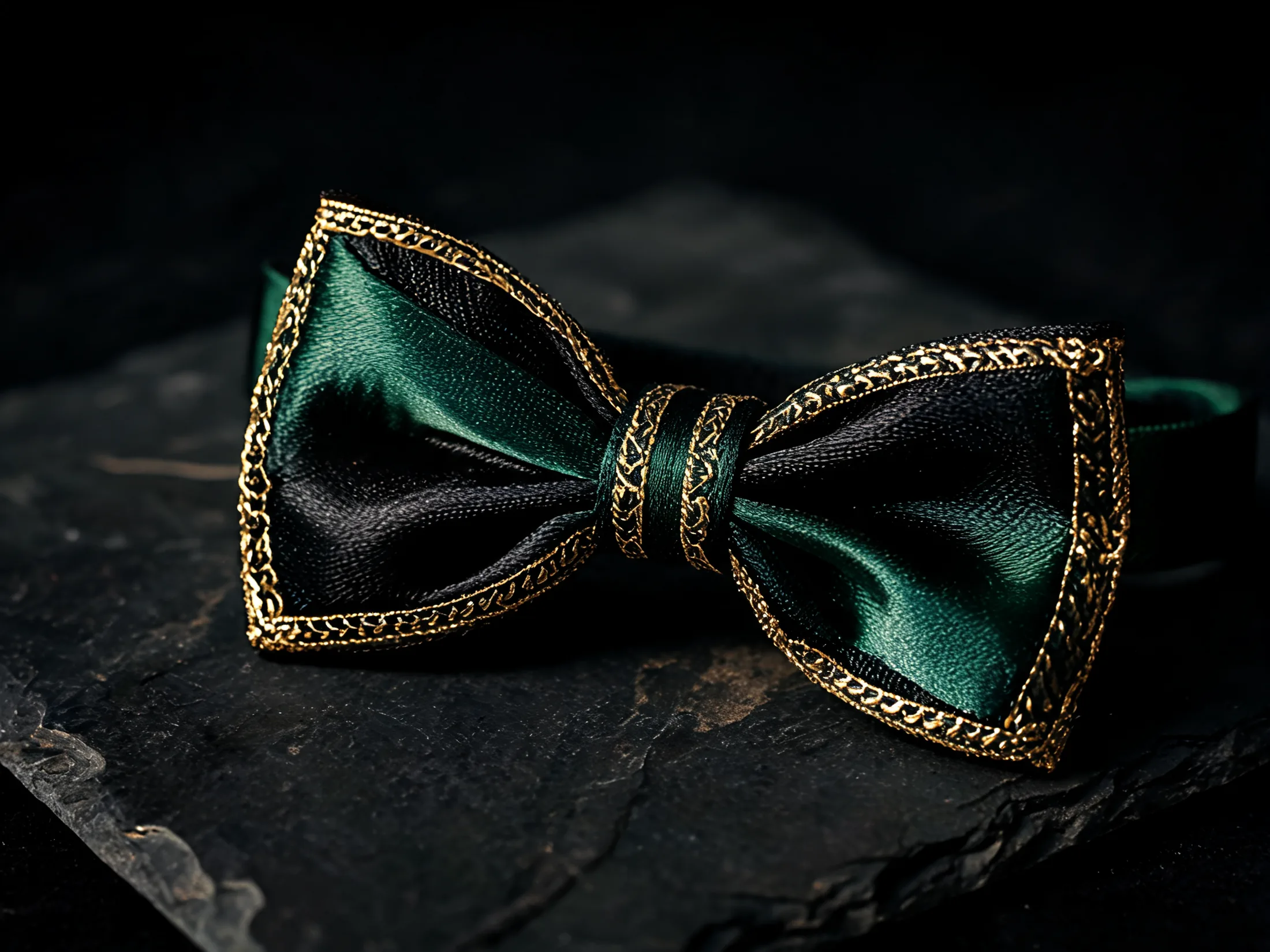
Forty hours of gold thread, one bow tie.
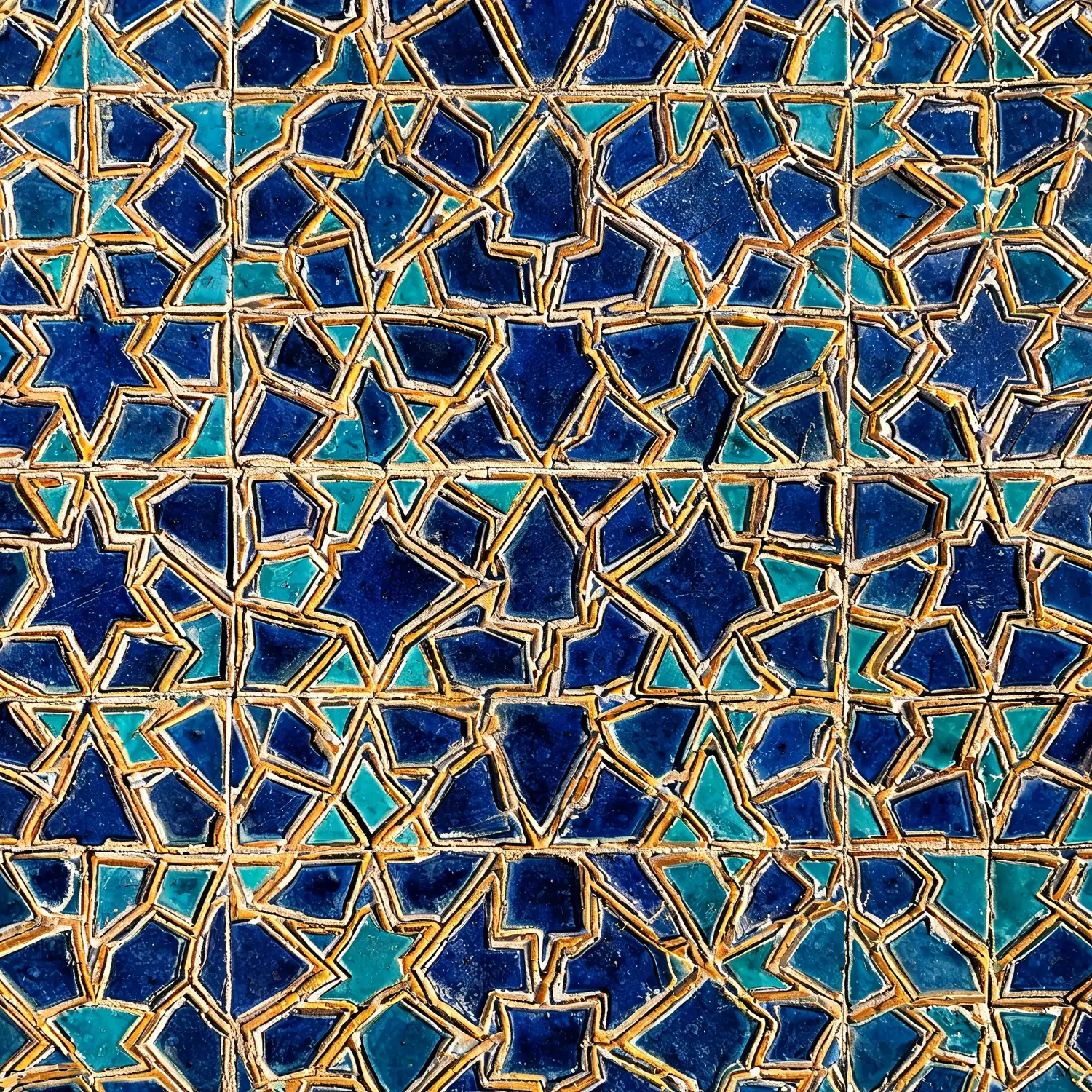
Persian craft carried from the gardens of Shiraz to the world.
Scroll
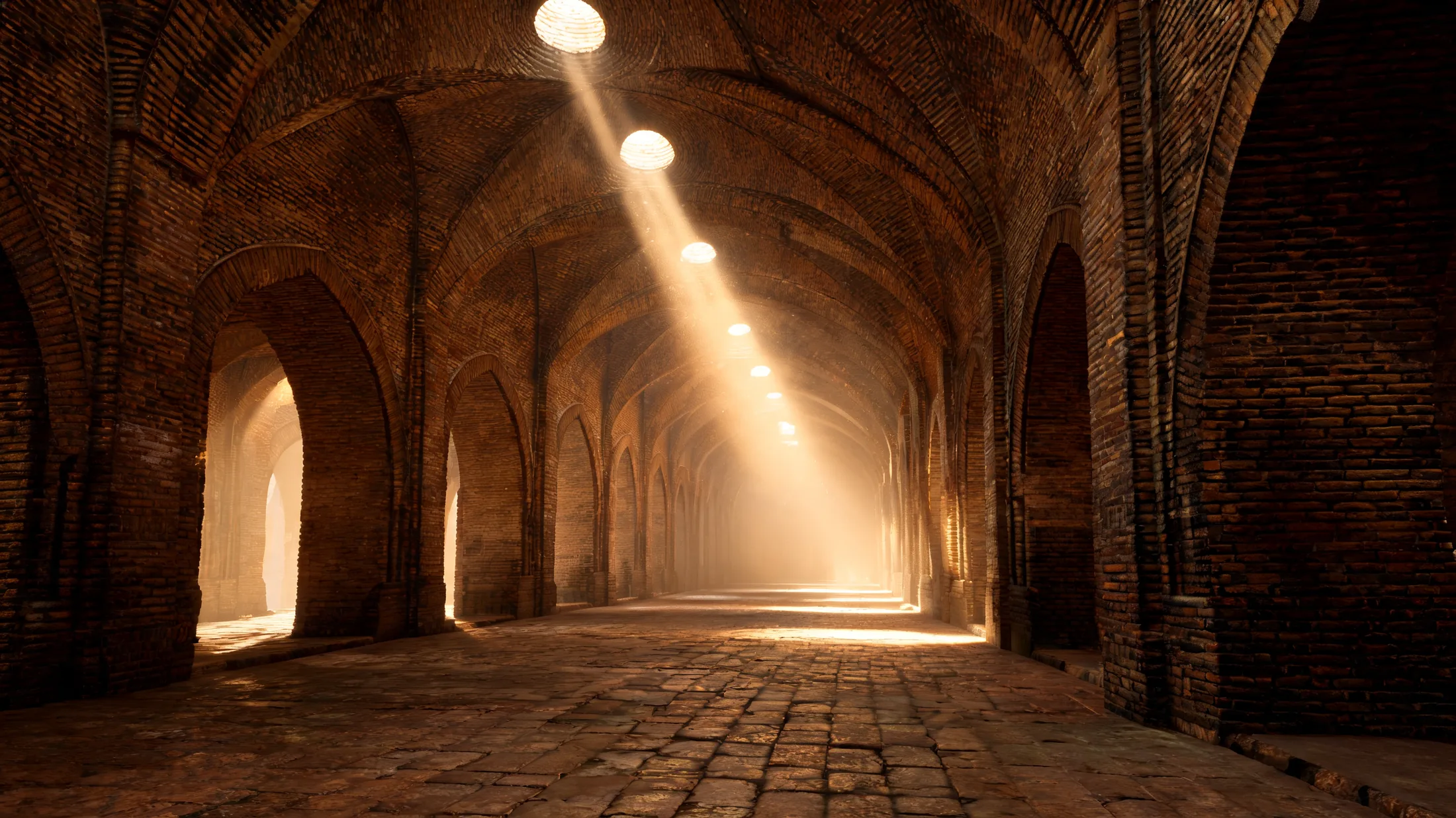
Every piece begins as a memory — a courtyard in Shiraz, the arc of a bazaar ceiling, a line of Hafez half-remembered — and ends as something you can wear.
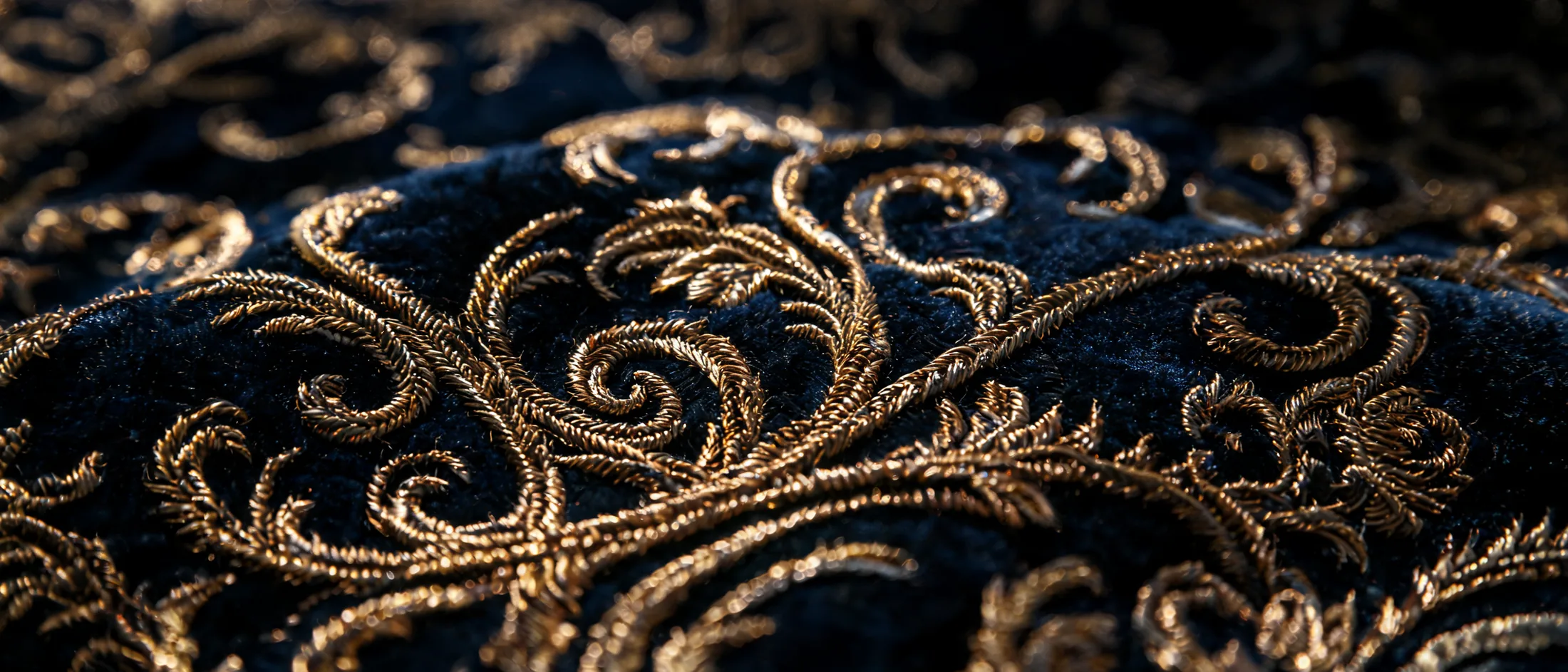
Thread, coiled by hand,
one stitch at a time.
The Craft
A Persian metal-thread embroidery practised for five centuries. Fine gold wire is coiled into a spring, cut into tiny beads, and stitched one by one onto silk or velvet. Nothing about it can be rushed, and nothing about it can be machined.
An arabesque is drawn by hand, then pricked and pounced onto the cloth in fine chalk — the same transfer method used in the ateliers of Isfahan.
Gold wire is wound into a tight spring and cut into beads no longer than a grain of rice. Each catches light from a different angle.
Every bead is anchored individually. A single bow tie face can hold several thousand — roughly forty hours at the frame.
Silk is cut, folded and hand-rolled around the embroidered face. No two pieces are ever identical, and none pretend to be.
Origin
An American childhood, then in 1995 a return to the city of poets — where the language, the gardens and the geometry of the bazaar became the vocabulary he has drawn on ever since.
A degree in international law came first. The thread came after, and won.
Read the full story →The Collection
Worn at Cannes, Dubai Fashion Week and Milan. Each piece made to order, each one signed by the hand that made it.
“Even after all this time, the sun never says to the earth, you owe me.”
Hafez of Shiraz